February 24, 2026
EdTech for At-Risk Youth: Disrupting the Pipeline with AR/VR
Director of CTE
Learn how 8 Million Stories uses zSpace’s AR/VR edtech for at-risk youth to close academic gaps, build CTE skills, and help justice-involved students thrive.
The "school-to-prison pipeline" is one of the most significant challenges facing modern American education. For youth who have already experienced incarceration or disengagement from traditional schooling, the barriers to re-entry can feel insurmountable. These students, often referred to as "at-promise" youth, frequently face a digital divide and a lack of access to the high-wage, high-demand career pathways that could break the cycle of generational poverty.
Innovative organizations like Houston-based Eight Million Stories are proving that the right edtech for at-risk youth can do more than just teach—it can reignite hope. By leveraging zSpace’s screen-based augmented and virtual reality (AR/VR) technology, these programs are providing formerly incarcerated and disconnected students with the hands-on tools they need to explore careers and earn industry-recognized certifications.
In this post, we’ll explore the implementation strategies that make AR/VR a critical component of successful re-entry programs and how immersive technology is transforming CTE for justice-involved youth into a pathway for self-sustainability.
The Challenge: Engaging the Disengaged
Traditional, lecture-based instruction often fails students who have had negative experiences with the educational system. For many at-promise youth, a standard classroom environment is associated with past failures, disciplinary actions, or trauma. To break through these barriers, educators must provide learning experiences that are immediate, interactive, and clearly tied to real-world outcomes.
This is where edtech for at-risk youth transitions from a "nice-to-have" to a "must-have." Immersive AR/VR technology lowers the "fear of failure" by creating a safe, virtual environment where students can experiment, make mistakes, and master complex tasks without the cost or risk of physical equipment. Whether it's a virtual automotive engine or a 3D heart model, the ability to manipulate objects in space builds confidence in a way that textbooks simply cannot.
Eight Million Stories: A Case Study in Immersive Re-entry
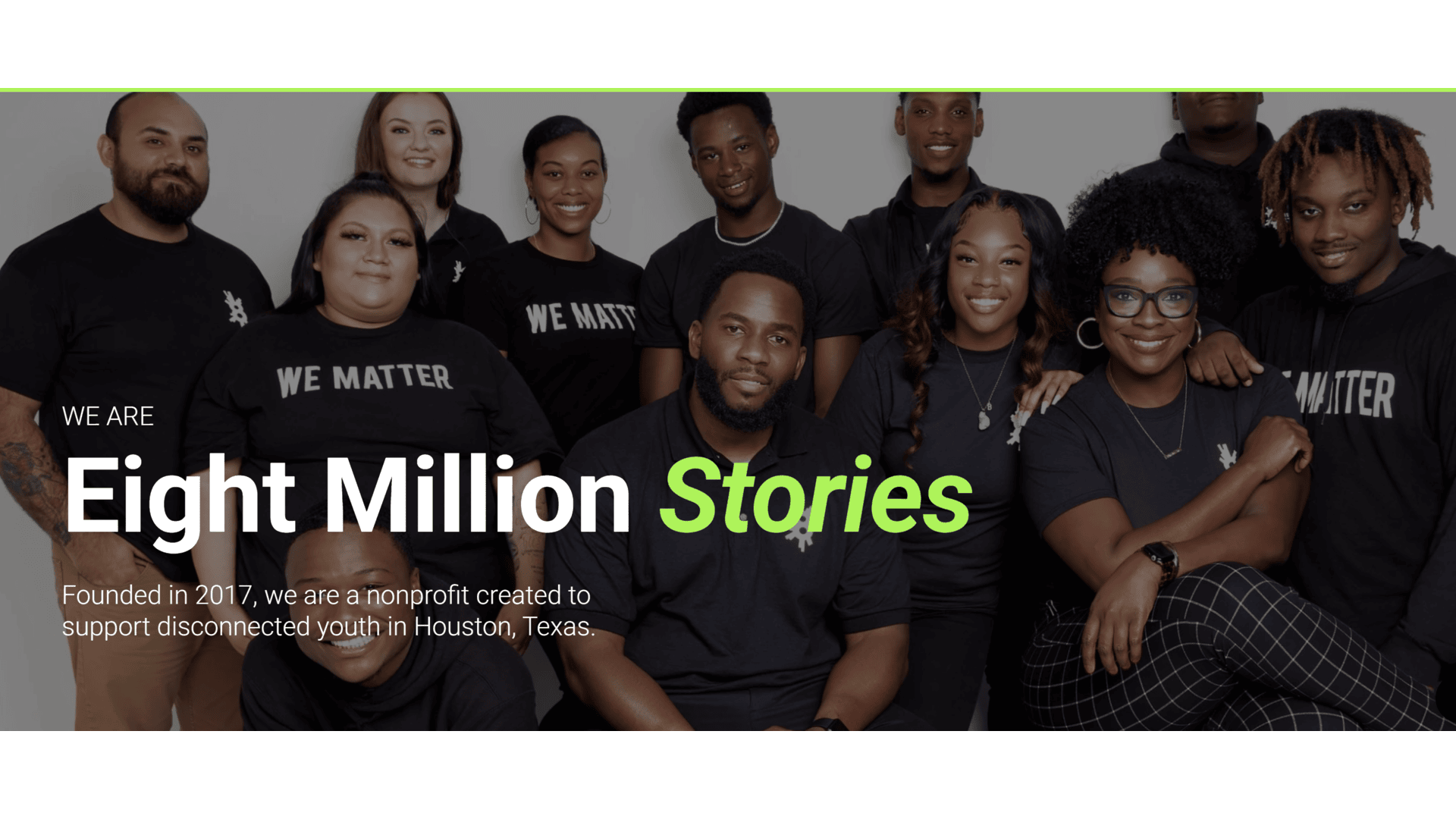
Founded in 2017, Eight Million Stories focuses on youth ages 9-24 who have been excluded from the community school system. Their mission is to disrupt the pipeline to prison through education and skills training. Recently, the organization integrated zSpace technology to enhance their vocational training and academic support.
Marvin Pierre, Co-Founder and Executive Director of Eight Million Stories, emphasizes that access to high-quality tools is a matter of equity. "When students can explore five different careers in a week and say, ‘I want to learn more about this,’ that’s powerful," Pierre notes. "That’s education doing what it was designed to do."
By using zSpace, 8 Million Stories allows students to rotate through various CTE career modules—including healthcare, automotive technology, and advanced manufacturing—helping them identify their "genius" and map out tangible steps toward employment.
Improving CTE Certification Success
One of the primary goals of CTE for justice-involved youth is the attainment of industry-recognized certifications. These credentials serve as a portable "passport" to the workforce, providing a credential that speaks louder than a student’s past legal history.
1. Safe Simulation of High-Stakes Environments
In many at-risk programs, providing physical labs for welding, HVAC, or nursing is cost-prohibitive and presents safety concerns. AR/VR provides a high-fidelity simulation where students can practice the technical steps required for certification. For example, a student can practice the exact sequence of a virtual car repair or a medical procedure hundreds of times, building the muscle memory required for the physical exam.
2. Aligning with National Standards
Effective edtech for at-risk youth must be curriculum-aligned. zSpace applications are designed to meet state and national standards, ensuring that the time spent in the virtual lab directly translates to the knowledge needed for certification exams like NOCTI, Precision Exams, or ASE.
3. Reducing Barriers to Entry
Many justice-involved youth struggle with reading comprehension or academic gaps. AR/VR bypasses some of these hurdles by prioritizing visual and tactile learning. When a student can "pull" a virtual component toward them and see it in 3D, the abstract concept becomes concrete, making it easier to pass the theoretical portions of CTE exams.
The Impact on Recidivism and Re-entry Programs
The goal of any re-entry program is to reduce the likelihood of a young person returning to the justice system. Data from the RAND Corporation has shown that incarcerated individuals who participate in any form of correctional education are 43% less likely to recidivate than those who do not. However, vocational training—specifically training that leads to employment—shows even stronger correlations with success.
By providing edtech for at-risk youth that mirrors the technology used in modern industry, programs like 8 Million Stories are ensuring their students aren't just "busy"—they are becoming competitive in the job market. This sense of readiness is crucial for mental health and social reintegration. As explored in our previous discussion on AR/VR technology benefits in juvenile justice training, immersive learning provides a "lifeline to success" for those who have been the most marginalized.
Implementation: How to Bring AR/VR to At-Risk Programs
For administrators looking to implement these solutions, the focus should be on versatility and ease of use. Key considerations include:
- Headset-Free Design: In many correctional or alternative settings, headsets (HMDs) can cause hygiene issues or pose security risks. zSpace’s screen-based AR allows for a collaborative, open environment where instructors can see exactly what the student is seeing.
- Offline Capability: Many secure facilities have limited or no internet access. Ensuring your edtech can function without a constant high-speed connection is vital for consistent instruction.
- Teacher Support: Technology is only as effective as the educators using it. Successful implementation requires professional development and ready-to-use lesson plans that integrate with existing GED or high school diploma tracks.
Conclusion: Unlocking Human Potential
The partnership between 8 Million Stories and zSpace illustrates a fundamental truth in education: there is no such thing as a "lost cause," only an underserved student. When we provide at-promise youth with the world’s most advanced learning technology, we send a message that their future is worth investing in.
By focusing on edtech for at-risk youth that prioritizes engagement, CTE certification, and real-world skills, we can begin to dismantle the school-to-prison pipeline and replace it with a pipeline to professional success and community leadership.
To learn more about how zSpace supports Career and Technical Education for all students, visit our CTE Solutions page or contact us today to schedule a demonstration for your program.